Astaghfirullah means "I ask for forgiveness from Allah" in Arabic. This formula of istighfar (request for forgiveness) is central to Muslim spirituality: it allows the believer to purify themselves from sins, to reconnect with Allah after a fault, and to practice a form of continuous worship recommended by the Prophet ﷺ. Discover its authentic meaning, its contexts of use, and resources to integrate it into your daily supplications.

Key Points to Remember
- Astaghfirullah (أستغفر الله) means "I ask Allah for forgiveness" and constitutes a form of worship (istighfâr).
- It is recited after a mistake, during daily remembrances, and as a continuous invocation recommended by the Sunna.
- The Prophet ﷺ practiced istighfâr more than 70-100 times per day, demonstrating its spiritual importance.
- It purifies the soul, erases sins, and opens the doors of divine mercy according to Islamic teachings.
- "Starfoullah" is a vernacular distortion to avoid in authentic religious practice.
Meaning and Foundations
"Astaghfirullah" (أستغفر الله) is an Arabic invocation composed of:
- "Astaghfiru" (أستغفر): "I ask for forgiveness"
- "Allah" (الله): "From Allah"
This expression falls under istighfâr (الاستغفار), a central Quranic and prophetic concept that designates the active request for forgiveness from Allah. It expresses the sincere repentance (tawba) and humility of the believer conscious of his shortcomings.
"And ask forgiveness of Allah. Certainly, Allah is Forgiving and Merciful." (Quran 2:199)
Writings and Transcriptions
Common writings/transcriptions
- Astaghfirullāh / Astaghfiroullah (common FR transcriptions)
- Astaghfiru Llāh (أستغفرُ اللهُ) : "I ask forgiveness from Allah"
- Astaghfiru Llāh al-'Aẓīm (أستغفر الله العظيم) : "… the All-Mighty"
- Astaghfiru Llāh wa atūbu ilayh (أستغفر الله وأتوب إليه) : "… and I repent to Him"
Authentic hadiths indicate that the Prophet ﷺ multiplied istighfār daily (≥70/100 times). To integrate this practice into the adhkār, see our supplications and adhkār.
Correct Phonetics
As-tagh-fi-rul-lāh : stress on the first syllable "As", with an Arabic guttural "gh" (غ). Avoid deformations like "starfoullah" which do not correspond to authentic pronunciation.
Istighfar in Islam: Definition and Importance
The istighfar (الاستغفار) is the spiritual practice of seeking divine forgiveness. It is one of the most recommended forms of worship in Islam, frequently mentioned in the Quran and diligently practiced by the Prophet ﷺ.
Quranic Foundations
- Quran 71:10-12: Noah (Nuh) calls his people to istighfar to receive rain, wealth, and offspring
- Quran 110:3: "Ask forgiveness of your Lord. Indeed, He is ever a Perpetual Forgiver"
- Quran 4:106: "And ask forgiveness of Allah. Indeed, Allah is ever Forgiving and Merciful"
Prophetic Teaching
"O people! Repent to Allah! I repent to Him one hundred times a day." [Sahih Muslim]
The Prophet ﷺ, although preserved from major sins, multiplied istighfar out of humility, gratitude, and to teach the importance of this practice to his community.
When to say "Astaghfirullah"?
After a mistake or sin
Primary use: expressing sincere regret after committing a reprehensible act, inappropriate speech, or blameworthy thought. Istighfar should be accompanied by a firm intention not to repeat the offense (tawba).
During daily adhkar
- After each prayer : Istighfar is part of the recommended post-prayer invocations
- Morning and evening : As part of daily protective adhkar
- Before sleeping : To purify the day that has passed
As continuous dhikr
Istighfar can be repeated throughout the day as a form of dhikr (remembrance of Allah), even without having committed a specific fault. It is a preventive and purifying form of worship.
In case of difficulties or trials
According to Islamic teachings, increasing istighfar can attract divine mercy and facilitate the resolution of problems, as indicated by the account of the prophet Noah in the Quran.
To structure your practice of adhkar including istighfar, consult The invocations of morning and evening and our collection of protective invocations.
Spiritual benefits of istighfâr
Purification of the soul
Istighfâr erases minor sins and purifies the heart from spiritual impurities. This regular purification maintains the soul in a state of spiritual cleanliness favorable to piety.
Opening the doors of mercy
"Whoever adheres to istighfâr, Allah will grant him a way out of every difficult situation, and will provide for him from where he does not expect." [Abû Dâwûd]
Protection against punishment
"Allah would not punish them while you are among them. And Allah would not punish them while they ask for forgiveness." (Quran 8:33)
Development of humility
The regular practice of istighfâr cultivates humility and awareness of one's dependence on Allah, essential qualities of the Muslim spiritual journey.

How to Practice Daily
Integration into Prayers
- After each salah : Repeat "Astaghfirullah" at least 3 times
- During du'ā' : Begin with istighfar before making other requests
- In witr : Use the complete formula of qunoot
Recommended Times
- Upon waking : To purify the night
- Before meals : In gratitude for blessings
- During journeys : As travel dhikr
- At the end of a gathering/assembly : "Rabbighfir lî wa tub 'alayya"
Formulas to Alternate
- Simple : "Astaghfirullah"
- Complete : "Astaghfirullah al-'Azîm alladhî lâ ilâha illâ huwa al-hayy al-qayyûm wa atûbu ilayh"
- With repentance : "Astaghfirullah wa atûbu ilayh"
To learn these formulas with their correct phonetic transcription, use our Quran with phonetic transcription.
Distinction with "Starfoullah"
What is "Starfoullah"?
"Starfoullah" is a vernacular French distortion of "Astaghfirullah", often used in a context of exclamation or surprise rather than authentic worship.
Why avoid it?
- Linguistic distortion : Does not respect correct Arabic phonetics
- Loss of sacred meaning : Risk of trivializing a spiritual invocation
- Inappropriate usage : Often used as a simple interjection rather than an act of worship
Recommended usage
Always prefer "Astaghfirullah" with correct pronunciation and appropriate spiritual intention (niyya). Istighfâr is an act of worship that deserves respect and authenticity in its formulation.
Recommended Resources
Invocations and Adhkâr
- The Fortress of the Muslim (حصن المسلم)
- The invocations of morning and evening
- 120 protective invocations (FR-AR-phonetic)
Learning and Pronunciation
- Quran with phonetic transcription
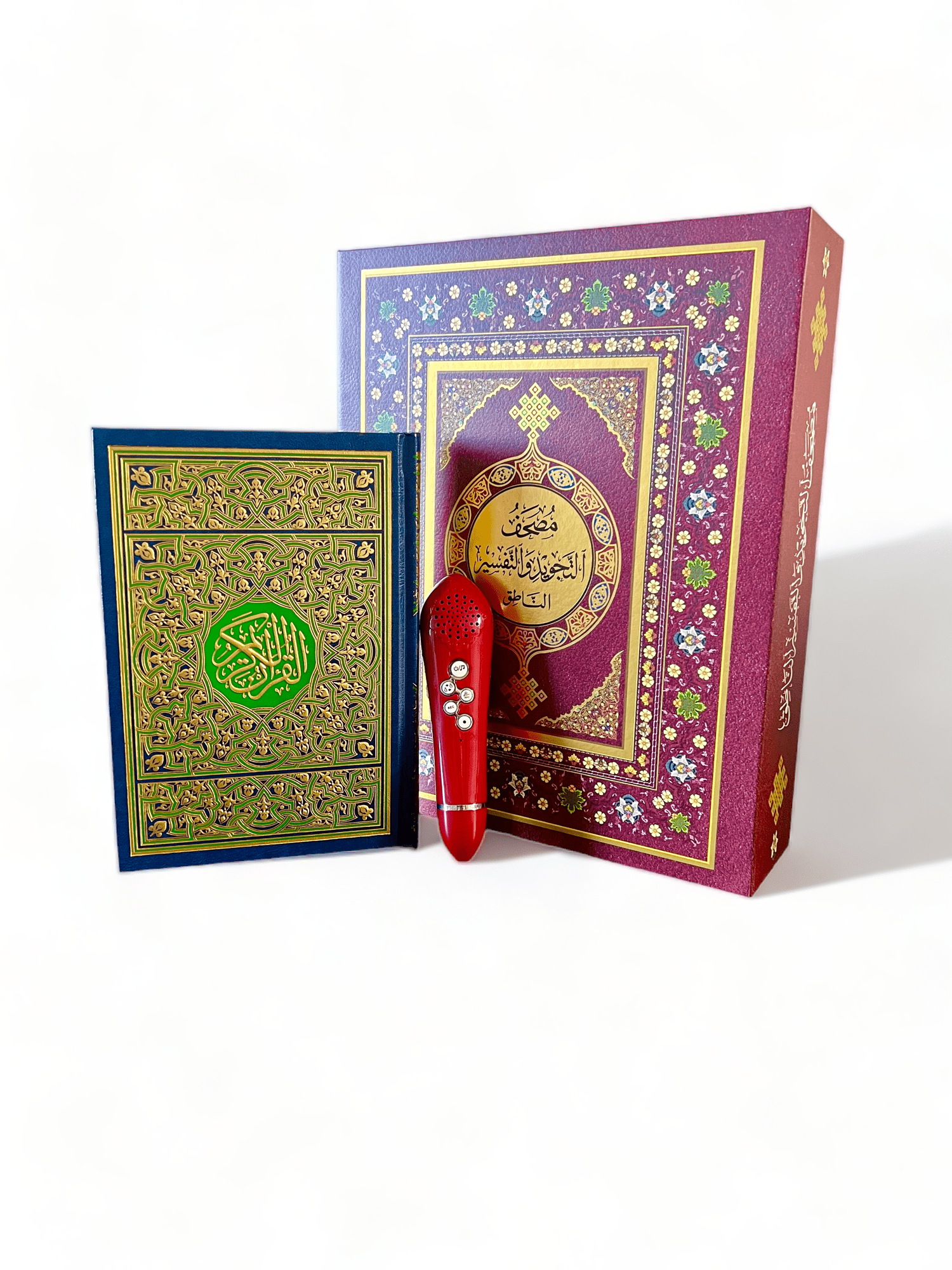
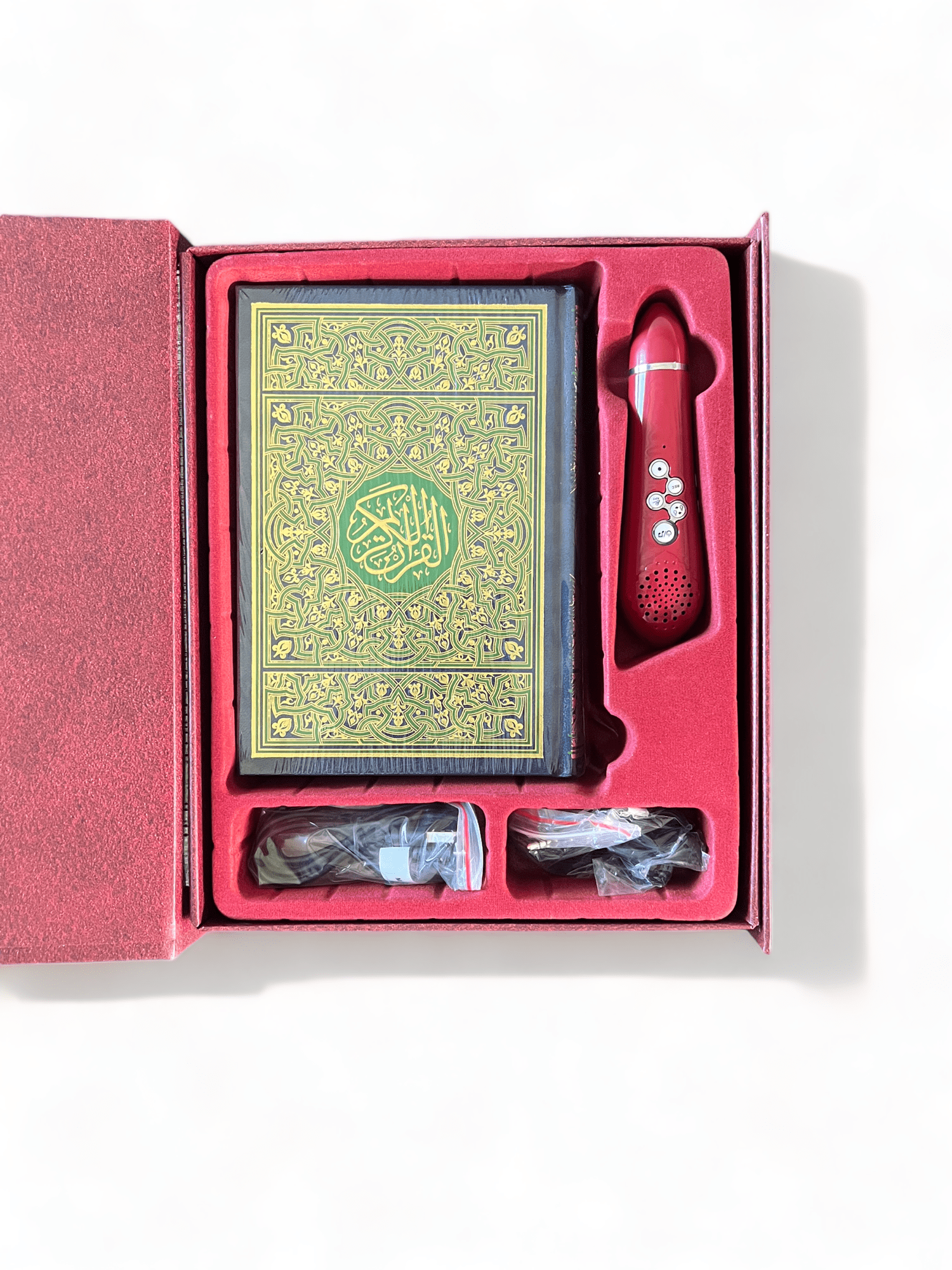
- Quran Al-Tajwîd for pronunciation
- Learning Arabic reading
Spirituality and Repentance
- Islamic Faith Collection (8 volumes)
- Good Opinion toward Allah
- Remedy Against Waswâs
Frequently Asked Questions
- What is the difference between istighfâr and tawba?
- Istighfâr = asking forgiveness from Allah; Tawba = complete repentance including regret, ceasing the sin, and resolve not to repeat it. Istighfâr is part of tawba.
- What formula should be said to complete the request for forgiveness?
- « Astaghfiru Llāh wa atūbu ilayh » (… and I repent to Him). One can repeat istighfār throughout the day.
- How many times per day?
- The Prophet ﷺ multiplied istighfār (≥70/100 times). There is no fixed obligatory number, but consistency is recommended (morning/evening, after prayer, end of gathering).
- Is « Starfoullah » correct?
- No. It is a vernacular distortion. Use « Astaghfirullāh » for worship and religious etiquette.
- Can one say istighfâr without ablutions?
- Yes, istighfâr can be said in any state of purity. It is even recommended to multiply dhikr and istighfâr throughout the day.
- Does istighfâr erase all sins?
- Sincere istighfâr erases minor sins. For major sins, complete tawba is necessary (regret + ceasing + resolve + reparation if applicable).

References
- Quran: 2:199 ; 4:106 ; 8:33 ; 71:10-12 ; 110:3
- Hadiths: Sahih Muslim (istighfâr of the Prophet ﷺ) ; Abû Dâwûd (benefits of istighfâr)
- Works: Hisn al-Muslim (An-Nawawî) ; Kalim Tayyib (Ibn Taymiyyah)
- Scholars: Ibn al-Qayyim, As-Sa'dî (on repentance and istighfâr)
📚 Also read
−5 % off the entire library with code BLOG5
Valid throughout the site, with no minimum purchase — our thanks to blog readers.
Discover the selection